High winds cause more roof damage than many homeowners realize. In 2024, U.S. roof repair and replacement claims climbed to nearly $31 billion, driven largely by wind and hail losses, according to data reported by Carrier Management. That figure reflects how costly wind-related roof failures have become nationwide.
When wind gets under a roof, small weaknesses can quickly escalate into major damage. Wind uplift, flying debris, and pressure shifts punish poor material choices. That is why selecting a high wind-resistant roofing material is not just about durability. It is about avoiding repeated repairs and early replacement after damaging winds.
Homeowners comparing the best roof for high winds need more than surface-level advice. This guide breaks down high wind roofing options and how to choose the right system for long-term protection, including considerations for roofing materials in Reno, NV.
What this guide covers:
- How wind resistance is tested and rated
- Which roofing materials perform best in high-wind areas
- When shingles work and when they fall short
Schedule a High-Wind Roof Inspection Contact Us
What Makes a Roofing Material Wind-Resistant?
Wind damage rarely spreads evenly across a roof. Uplift pressure first concentrates at edges, seams, and fasteners. Once wind gets under the roofing system, failure can spread rapidly across the surface in high winds.
Wind resistance comes from system performance, not surface strength alone. Materials, fastening methods, and roof design all contribute to a roof’s ability to withstand wind. Weakness in one area compromises the entire roofing system.
Wind Uplift Ratings and Testing Standards
Wind uplift ratings measure how well a roofing system resists upward force. Standardized tests simulate wind lifting materials off the roof deck under controlled pressure. These tests focus on detachment rather than impact resistance.
Key elements behind wind ratings include:
- ASTM wind uplift testing standards
- Class ratings tied to defined resistance thresholds
- Fastening patterns required during testing
A rating applies only when installers follow the tested installation method and the proper installation guidelines.
Roof Design Factors That Affect Wind Resistance
Roof design shapes how wind loads are distributed across the roof surface. Edges, corners, and transitions are subject to the highest uplift forces during high wind speeds. Poor detailing in these areas leads to early failure.
Fasteners, underlayment, and roof deck condition affect how loads transfer through the roof. Installers familiar with local wind behavior, such as experienced Sparks roofing professionals, factor these pressure points into system design. That approach improves how wind-resistant roof material performs beyond lab ratings alone.
Best Roofing Materials for High-Wind Areas Compared
Choosing the best roof for high-wind conditions requires weighing wind resistance, system design, and long-term durability. The options below compare how common roofing materials perform in high-wind areas.
1. Metal Roofing (Standing Seam & Metal Panels)
Metal systems rank among the strongest options for high wind roofing. Standing seam metal roofing and metal panels limit uplift by reducing exposed edges where strong winds can grab hold. Panels also distribute pressure evenly across the roof surface.
Standing seam designs perform well during sustained high wind speeds and extreme winds. While upfront costs are higher, a long lifespan and reduced wind-damage risk offset the investment over time.
2. Impact-Resistant Asphalt Shingles
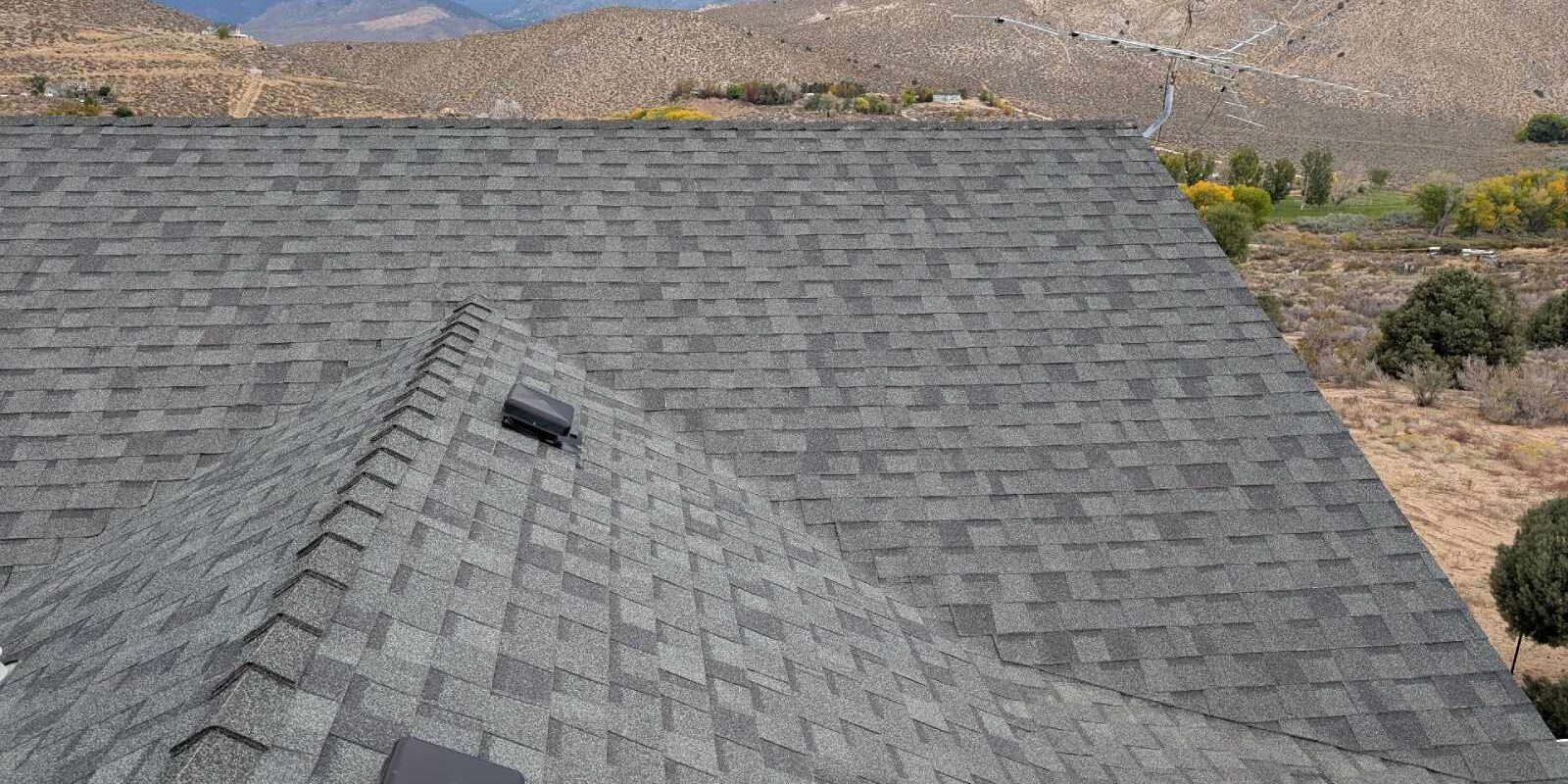
Impact-resistant asphalt products remain the most common high-wind-resistant shingles used in residential construction. Architectural shingles and Class 4 shingles reach wind ratings up to 130 mph when installed correctly.
These shingles offer a cost-effective balance between performance and affordability. Their ability to withstand high winds depends heavily on fastening patterns, edge detailing, and proper installation.
3. Clay & Concrete Tile Roofing
Tile roofing systems rely on weight and fastening strength to resist uplift. When properly secured, clay and concrete tiles perform well among wind-resistant roofing materials, especially in sustained high-wind regions.
Structural reinforcement is often required due to added load. Without proper fastening, individual clay tiles or concrete tiles can loosen and create secondary debris hazards during tropical storms or hurricane season.
4. Synthetic & Composite Roofing Materials
Synthetic and composite roofing materials are engineered for extreme weather. These systems combine lightweight construction with reinforced fastener zones, making them effective for high-wind roofing environments.
Premium pricing reflects the use of advanced materials and long-term durability. Consistent performance in harsh weather makes them a strong option in high wind regions and areas prone to damaging winds.
Compare High-Wind Roofing Materials Today Get Started
Are High Wind-Resistant Shingles Enough for Severe Wind Zones?
High-wind-resistant shingles perform well in many regions, especially where storms deliver short bursts of high wind. Architectural shingles and Class 4 options improve holding strength and reduce blow-offs when installed correctly. For many homes, they remain a practical solution.
In severe wind zones, limits appear fast. Shingles rely on surface fastening and edge sealing, which struggle in hurricane-force winds. Failures often lead to larger corrective work, making system-level options installed by experienced Reno roof repair teams the best solution for high winds.
Installation Matters: Why High-Wind Roofing Fails
Even the strongest roofing materials fail when installation corners are cut. High winds quickly exploit small weaknesses, especially along edges and fasteners. Most wind damage stems from how the roof was installed, not from the type of roof chosen.
Proper installation turns materials into a working roofing system. Poor installation leaves gaps where wind pressure can take over and cause serious damage.
Common Installation Mistakes
Installation errors usually happen out of sight. They weaken holding strength long before the first major wind event.
Common problems include:
- Improper nailing patterns that reduce wind resistance
- Skipped or low-grade underlayment
- Weak edge, flashing, or drip-edge detailing
These issues allow wind to get underneath the roof surface, causing early failure.
Why Professional Installation Is Critical
High-wind roofing systems must meet manufacturer requirements to perform as rated. Deviations void warranties and reduce the tested resistance to strong winds.
Local codes also matter. Experienced roofing companies in Sparks, NV, understand regional wind loads and inspection standards, helping roofs perform as designed during extreme weather events.
Protect Your Home From Wind Damage Call Now
Roofing Maintenance for High-Wind Areas
Wind resistance does not end once a roof is installed. Wear, loosened fasteners, and small gaps reduce holding strength over time. Without routine care, wind finds weak points faster and damage spreads.
NOAA’s Storm Events Database documents tens of thousands of severe wind events across the United States each year, making wind one of the most common causes of weather-related property damage.
Preventive Maintenance That Improves Wind Resistance
Routine upkeep helps a roof resist uplift pressure. Small corrections protect vulnerable areas before the wind exploits them.
Key maintenance steps include:
- Checking for loose or backed-out fasteners
- Inspecting flashing along edges, vents, and transitions
- Reinforcing sealants where separation begins
These actions support consistent roofing maintenance for high-wind areas and help preserve good wind resistance over time.
How Often High-Wind Roofs Should Be Inspected
High-wind roofs should be inspected at least once a year. Inspections also matter after major storm events, even when damage is not obvious from the ground.
Early detection limits the scope and cost of repairs. When issues go unnoticed, homeowners often end up with more extensive repairs and higher costs due to roof repairs rather than minor fixes.
How to Choose the Best Roof for High Winds in Your Area
Choosing the best roof for high winds starts with local conditions. Wind speeds, storm history, and exposure vary by location and shape how different roofing materials perform. Homes in open or elevated areas face higher pressure during strong winds.
Budget matters, but lifespan matters more. A high wind-resistant roofing material should match the roof’s slope, structure, and long-term maintenance expectations. Local guidance on roofing materials in Reno, NV, helps homeowners balance upfront cost with durability and performance.
FAQs About High Wind-Resistant Roofing
What is the most wind-resistant roofing material?
Metal roofing systems offer some of the highest wind resistance available. Interlocking panels and concealed fasteners limit uplift at seams. Performance depends on proper installation.
How much wind can high wind-resistant shingles withstand?
Many high-wind-resistant shingles are rated for winds between 110 and 130 mph. Ratings only apply when shingles are installed correctly. Edge detailing and fastening matter.
Is metal roofing better than shingles for high winds?
Metal roofing generally performs better in sustained high-wind conditions. Continuous panels reduce exposed edges where uplift starts. Shingles remain effective in moderate wind zones.
Can an existing roof be upgraded for better wind resistance?
Some upgrades improve a roof’s ability to withstand winds without full replacement. Enhanced fastening and underlayment upgrades help limit uplift. Results depend on the roof’s condition.
How does maintenance help prevent wind damage?
Maintenance keeps fasteners tight and seals intact. Small gaps become failure points during strong winds. Regular inspections reduce the risk of sudden roof loss.
Protect Your Home with the Right High-Wind Roof
We know how destructive high winds can be in northern Nevada. We see firsthand how poor roofing decisions lead to repeat repairs, rising costs, and unnecessary stress. That is why we approach every project with wind performance in mind.
At Mountain Vista Roof Systems, we build roofing systems for real conditions. We look at structure, slope, fastening, and long-term durability before recommending materials. Homeowners trust us among roofing companies in the Reno area because our work holds up under the highest wind loads.
If your home faces frequent high winds or you are planning a roof replacement, now is the time to act. We will help you choose a system that protects your home and reduces future repairs.
Contact us today for a free quote.
About the Author: Aaron Galloway
Aaron Galloway, founder of Mountain Vista Roof Systems and a Nevada native, provides homeowners across Northern Nevada with expert roofing, gutters, and skylight solutions, using durable materials as a Malarkey Premium Installer.